
While AI music may seem entertaining, there are ethical and moral issues with its production. Popular acts such as the Velvet Sundown gained traction in 2025, this particular with over one million monthly listens on Spotify.
AI music may seem fun for a laugh or an easy way to create without as much effort. But unseen are the ethical dilemmas. Under the surface, AI music makes the entire music pool more diluted as it builds on existing songs. As each song learns from the next, they all blend together in sound, and will never create something as original as a human could.
As well as a risk of originality, it takes away from the opportunity available to real artists starting out their careers. To start putting music into the industry means to put a piece of yourself out there, and that process is already hard enough. The competition of AI should never come in the way of a beginning artist’s success. Even with just the idea of AI being a threat to creation, many creatives will not even attempt to put their work into the industry.
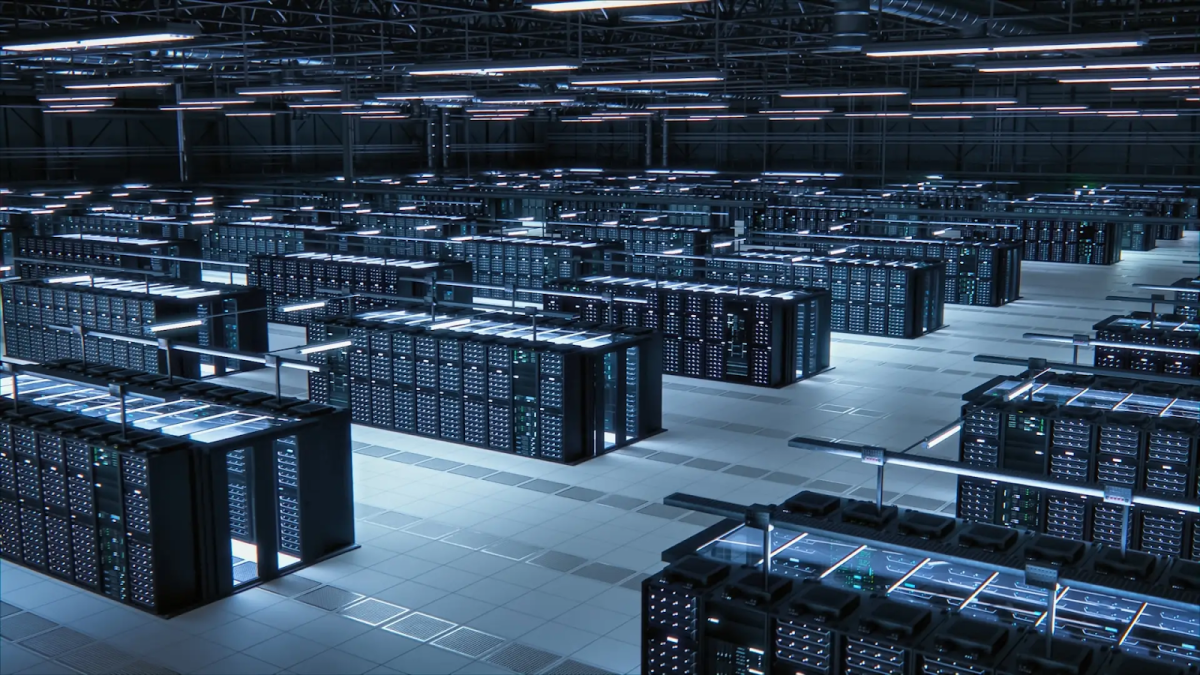
Damaging the industry also brings damage to the environment, as most know. The generation of AI material consumes high amounts of energy in data centers, emitting substantial amounts of carbon emissions into the atmosphere. As the atmosphere is polluted, water is used to cool the hardware of the server.
Training the AI softwares requires the input and access to previously created works. This might risk copyright issues and legal concerns as works may be fed without permission of the creator. Major music companies such as Sony, Universal, and Warner as well as individuals are currently suing AI music platforms for copyright infringement over the training of the AI. Without proper permissions, lawsuits are bound to arise from the use of material without artist consent.
Putting aside legal and ethical concerns, consider the quality of the work. While diluting the general music pool with the same sound, it will never have the same quality as real artists’ work. People listen to their favorite songs for the emotions it makes them feel. Some admire the talent of the vocalist, others the real, emotional aspect of the lyrics from the writer. Classic songs and symphonies through time have been appraised for the talent in creation, whether the difficulty of the notes or the genius of the writing. AI music requires no talent. It is completely stolen from other works; merely an amalgamation of what it has been given. There will never be appraised AI music, as it is hardly music at all. A simple prompt with adjustments rather than a piece with thought and consideration put into its formation.
Before more people prompt another AI song for a post or simple laugh, think about what results. “But it’s just this once.” If everyone thought that way, billions of AI songs would pollute the industry.